New home prices may be rising by over $60,000 in some areas of Windsor due to newly proposed development fee changes. Today, we'll break down what these fees are, why they might come into effect, and how you can entirely avoid them if you're looking to build your first home in Windsor.
What Are Development Charges and Why Are They Rising?
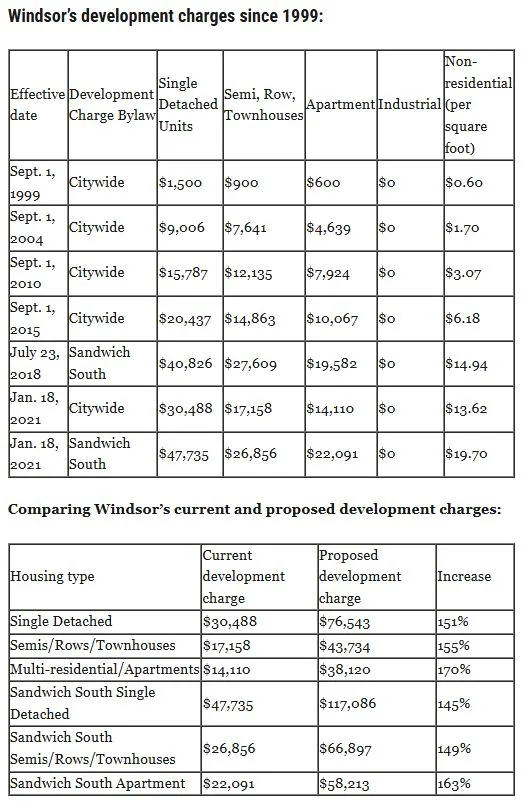
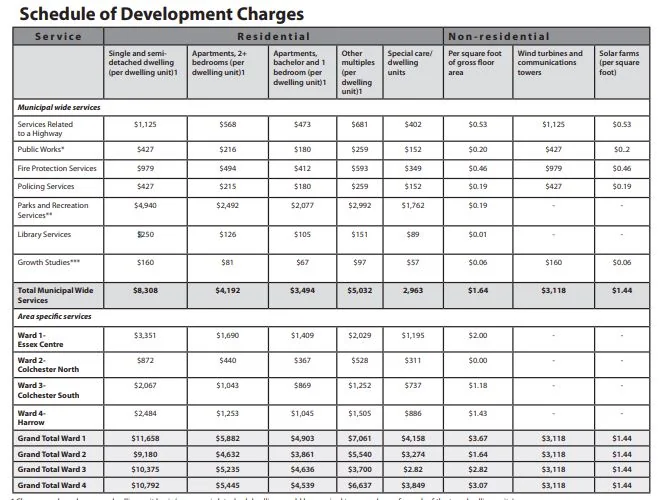
A consultant's report heading to Windsor city council suggests development charges should increase by more than 150%. These fees, which currently range from $30,000 to $47,000 for a single-family home, could more than double to between $76,000 and $117,000 depending on the area. The news has sparked concern among builders, developers, and housing advocates who warn that higher costs will further worsen Windsor's housing affordability crisis.
Development charges are fees that municipalities impose on usually vacant land that hasn't been built on before. In theory, these fees are supposed to fund the infrastructure needed to support new development, including roads, sewers, water systems, parks, and emergency services. In Windsor-Essex, developers are actually responsible for paying for infrastructure on top of the developer fees, meaning if they want to build on vacant land they'll be responsible for paying for roads and sewers to access that land.
Why Are Development Fees Increasing?
1. Expanding Windsor's Sandwich South
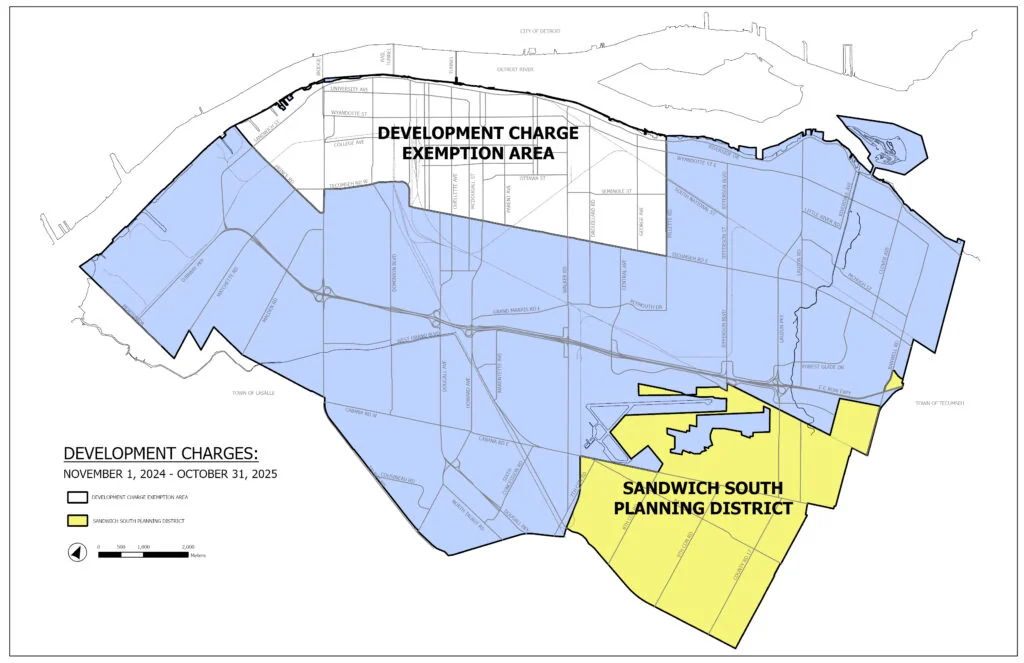
Expanding areas like Sandwich South (near the new hospital) need new roads, sewer systems, and utilities, requiring substantial new funding from the city.
2. General Inflation
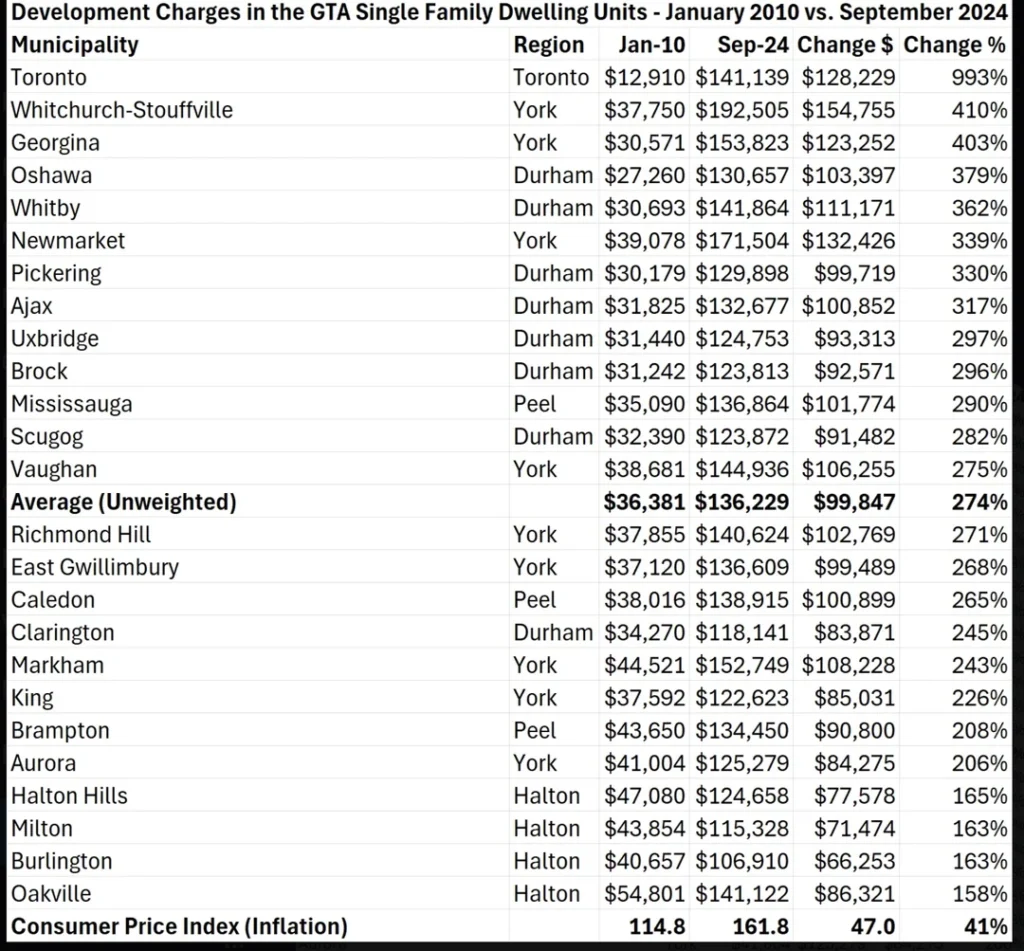
Like almost everything in Canada, things are getting more expensive. The City of Windsor needs more money to fund its operations and orders. However, it's important to point out that across Ontario, development fees have been growing much faster than the rate of inflation, in Toronto, development fees have risen nearly 993% since 2010 while inflation grew roughly 41% over the same period.
3. Shifting the Burden
By increasing development charges, the city avoids raising property taxes, which would be highly visible and politically unpopular. Targeting new builds shifts costs to developers and first-time homeowners in a far more "hidden" way.
How to Avoid Windsor's New Development Fees
Option 1: Buy an Existing Home and Build New
Buying an existing home in Windsor eliminates the need to pay new development fees entirely. If your plan is to build brand new, it might be worth looking into cheaper rundown homes that can be demolished and rebuilt, avoiding the huge fees that come with developing on previously vacant land.
Many Windsor homeowners are now building accessory dwelling units (ADUs) on their properties. These secondary units can act as a brand-new, custom-built home, while avoiding new development fees. The existing structure can serve as a rental property offering additional income or a space for close relatives.
Option 2: Build in the County
Municipalities outside Windsor, such as Essex or Lakeshore, often have significantly lower development fees. In some nearby towns, development charges for a single detached home are closer to $10,000, a fraction of Windsor's rates. More and more families are choosing this option as the cheaper housing is worth an extra 10 to 15 minutes on their morning commute.
Option 3: Build in Development Charge Exemption Areas
The City of Windsor has designated certain areas within Windsor to be completely exempt from new development charges. Empty lots in these areas are hard to come by, but building within them can avoid all development fees entirely.
How Sovereign Developments Can Help
At Sovereign Developments, we've dealt with the City of Windsor and know these bylaws better than almost anyone, our founder was a City of Windsor building inspector for over 30 years. Contact us today if you have any questions about building your first home within Windsor.
Conclusion
Windsor isn't alone in raising development charges, but the scale of the proposed increase is staggering. Whether through higher home prices, rents, or taxes, these costs ultimately fall on residents. With fewer homes being built and higher costs for buyers, Windsor's housing shortage is likely to deepen. Builders and buyers alike need to adapt, whether that means exploring the county, buying existing homes, or taking advantage of creative options like ADUs.